Digital transformation is reshaping how organizations capture, manage, and utilize physical asset information. Whether it’s a commercial building, manufacturing facility, heritage structure, industrial plant, transportation hub, or utility network, accurate documentation is essential for effective planning, maintenance, and decision-making.
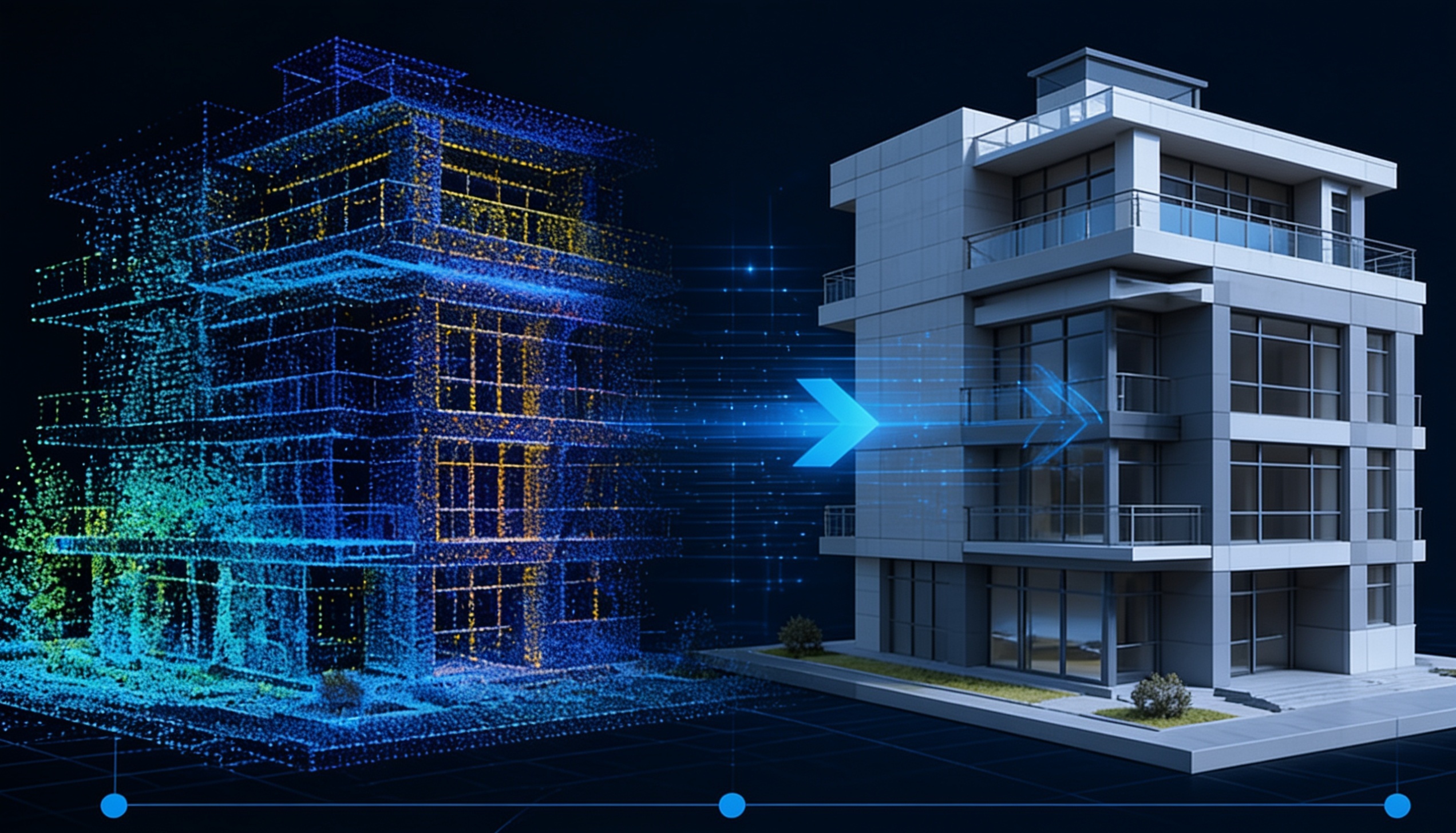
One of the most powerful technologies enabling this transformation is the Point Cloud to BIM Process. By converting highly accurate laser-scanned data into intelligent Building Information Models (BIM), organizations gain a detailed digital representation of physical assets that can be used throughout their lifecycle.
Point Cloud to BIM bridges the gap between the physical and digital worlds, providing reliable information that supports design, operations, asset management, renovations, and digital twin initiatives. As industries increasingly adopt reality capture technologies, understanding the Point Cloud to BIM process has become essential for organizations seeking greater efficiency and accuracy.
What Is a Point Cloud?
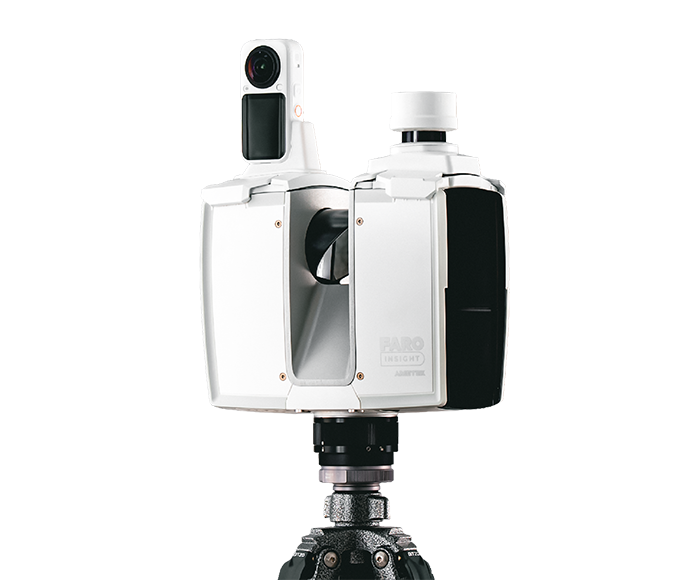
A point cloud is a collection of millions of individual data points captured using technologies such as:
- 3D Laser Scanning
- LiDAR Surveys
- Mobile Mapping Systems
- Drone-Based Scanning
- Reality Capture Solutions
Each point contains precise spatial coordinates that collectively create a highly detailed digital representation of an object, structure, environment, or asset.
Unlike traditional measurements, point clouds capture vast amounts of information within a short period, creating a comprehensive record of existing conditions.
What Is BIM?
Building Information Modeling (BIM) is an intelligent digital representation of a physical asset that combines geometry, dimensions, specifications, and asset information into a single model.
BIM goes beyond simple visualization by providing structured data that can support:
- Asset Management
- Maintenance Planning
- Facility Operations
- Space Management
- Digital Twin Development
- Renovation Projects
- Lifecycle Analysis
The result is a centralized source of information that improves decision-making and collaboration across multiple disciplines.
Understanding the Point Cloud to BIM Process
Point Cloud to BIM is the process of converting raw scan data into an intelligent and structured BIM model.
The process begins with capturing real-world conditions through laser scanning or LiDAR technology. This data is then processed, cleaned, modeled, and validated before being delivered as a BIM model that accurately represents the physical asset.
The workflow transforms millions of scattered points into meaningful digital objects such as walls, equipment, piping systems, machinery, structural elements, utilities, and architectural components.
Step 1: Data Capture Through Laser Scanning or LiDAR
The first stage involves collecting accurate spatial information using advanced scanning technology.
Modern scanners can capture millions of measurements every second, producing highly detailed datasets. This process allows organizations to document assets quickly and accurately without disrupting ongoing operations.
The scanning process can be applied to:
- Buildings
- Industrial Plants
- Factories
- Warehouses
- Airports
- Heritage Sites
- Utility Networks
- Infrastructure Assets
The result is a comprehensive point cloud that serves as the foundation for BIM modeling.
Step 2: Point Cloud Registration
Large assets often require multiple scans from different locations.
These scans must be aligned and combined into a single unified coordinate system through a process called registration.
Registration ensures:
- Accurate positioning
- Complete site coverage
- Consistent coordinate references
- Reliable model creation
Without proper registration, the final BIM model may contain inaccuracies that affect its usability.
Step 3: Data Cleaning and Optimization
Raw scan data often includes unwanted information such as:
- Vehicles
- Personnel
- Environmental noise
- Temporary objects
- Duplicate points
Data cleaning removes unnecessary elements while preserving critical information.
This step improves model quality, reduces file sizes, and ensures efficient BIM development.
Step 4: BIM Model Development
Once the point cloud is prepared, BIM specialists begin creating intelligent digital objects based on the scanned data.
Depending on project requirements, the model may include:
- Architectural Components
- Structural Elements
- Mechanical Systems
- Electrical Networks
- Plumbing Systems
- Industrial Equipment
- Utility Infrastructure
Unlike traditional CAD drawings, BIM objects contain embedded information that can be used for analysis, maintenance, and asset management.
Step 5: Model Validation and Quality Assurance
Accuracy is one of the most important aspects of Point Cloud to BIM.
Every BIM model undergoes quality control procedures to verify alignment with the original scan data.
Validation ensures:
- Dimensional Accuracy
- Model Consistency
- Data Integrity
- Compliance with Project Standards
This process guarantees that the final model accurately represents real-world conditions.
Step 6: BIM Delivery and Integration
After validation, the completed BIM model is delivered in formats compatible with industry-standard platforms.
The model can then be integrated into:
- Facility Management Systems
- Asset Management Platforms
- Digital Twin Solutions
- Maintenance Programs
- Future Planning Workflows
This allows organizations to continue benefiting from the model long after its initial creation.
Benefits of Point Cloud to BIM
Organizations across various industries are adopting Point Cloud to BIM because of its significant advantages.
Improved Accuracy
Point cloud data captures real-world conditions with exceptional precision, minimizing errors and improving confidence in decision-making.
Enhanced Visualization
BIM models provide detailed 3D representations that are easier to understand than traditional drawings and documents.
Better Asset Documentation
Accurate digital records support long-term asset management and future modifications.
Faster Data Collection
Laser scanning dramatically reduces the time required to document complex environments.
Improved Collaboration
Stakeholders can access and work from a single source of reliable information.
Industries Using Point Cloud to BIM
Point Cloud to BIM is widely used across numerous sectors:
- Architecture
- Engineering
- Manufacturing
- Oil and Gas
- Utilities
- Telecommunications
- Transportation
- Healthcare
- Education
- Facility Management
- Heritage Conservation
- Real Estate
- Airports and Aviation
- Energy and Power
The technology’s flexibility makes it valuable wherever accurate digital documentation is required.
Point Cloud to BIM and Digital Twins
Digital Twins are becoming increasingly important for operational efficiency and asset optimization.
Point Cloud to BIM provides the foundation for creating Digital Twins by delivering accurate digital representations of physical assets.
Organizations can combine BIM models with real-time operational data to:
- Monitor Asset Performance
- Improve Maintenance Strategies
- Predict Equipment Failures
- Optimize Operations
- Enhance Decision-Making
This integration supports the next generation of intelligent asset management.
Future of Point Cloud to BIM
As reality capture technologies continue to evolve, Point Cloud to BIM will become even more important across industries.
Advancements in:
- Artificial Intelligence
- Machine Learning
- Digital Twins
- Smart Infrastructure
- Automated Modeling
are making BIM workflows faster and more efficient than ever before.
Organizations investing in Point Cloud to BIM today are building the digital foundation needed for future innovation and operational excellence.
Conclusion
The Point Cloud to BIM Process transforms millions of scan data points into intelligent digital models that improve documentation, visualization, collaboration, and asset management. By creating accurate digital representations of physical environments, organizations gain valuable insights that support planning, operations, maintenance, and future development.
From industrial facilities and utility networks to heritage sites and commercial assets, Point Cloud to BIM has become an essential technology for organizations seeking accurate, data-driven decision-making. As digital transformation accelerates, Point Cloud to BIM will continue to play a central role in creating smarter and more connected physical environments.