Mumbai’s construction industry is evolving rapidly with increasing redevelopment projects, high-rise buildings, infrastructure upgrades, and smart city initiatives. As project complexity grows, the need for accurate site data becomes more critical than ever. Traditional surveying methods often struggle to capture intricate building details, leading to costly errors, delays, and rework. This is where 3D Laser Scanning has emerged as a game-changing technology for architects, engineers, contractors, and project managers.
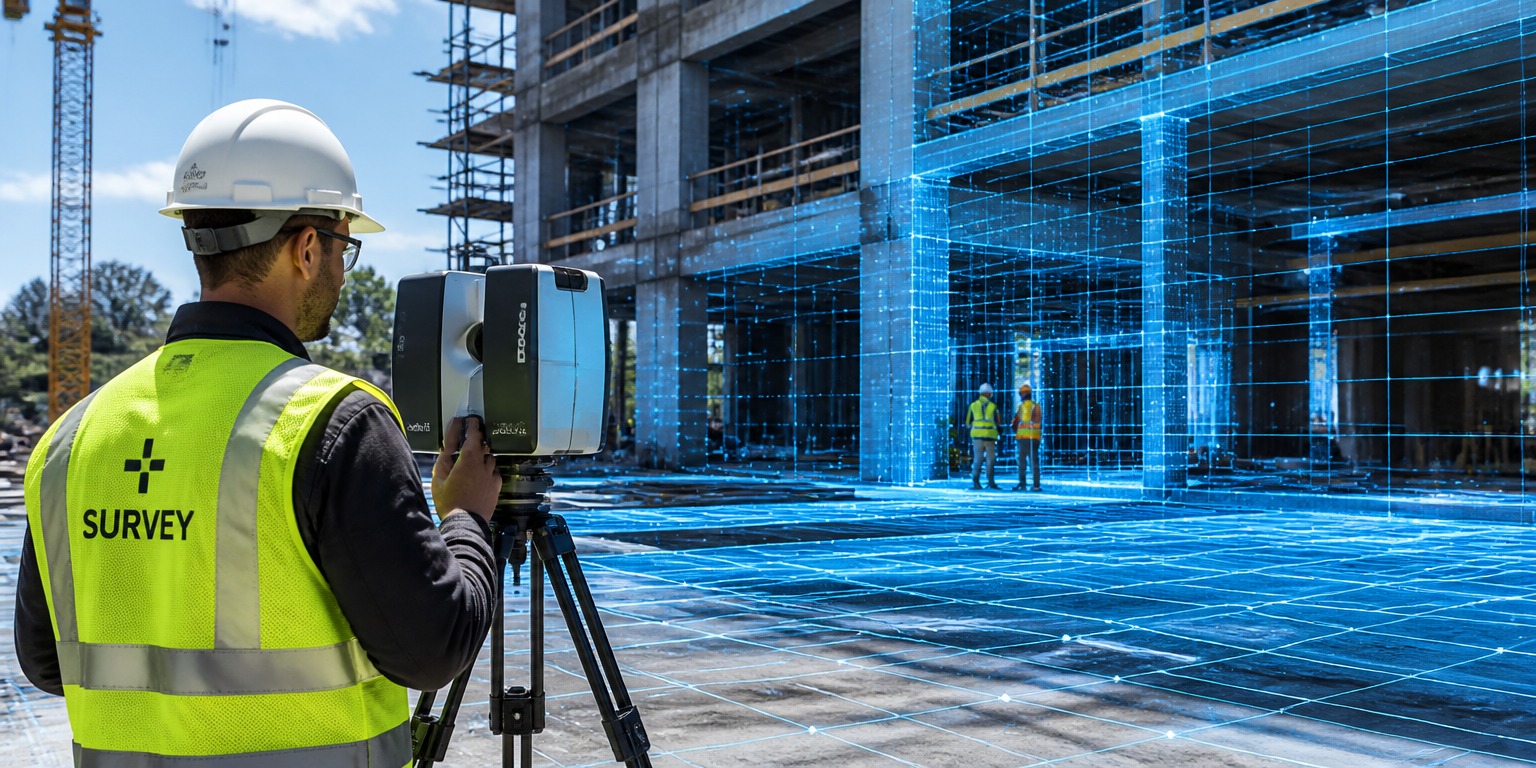
By capturing millions of precise measurements in a matter of hours, 3D laser scanning provides highly accurate digital representations of buildings, structures, and construction sites. The technology is transforming how construction projects are planned, executed, and managed across Mumbai. Whether it is a redevelopment project in South Mumbai, a commercial tower in BKC, or an industrial facility in Navi Mumbai, laser scanning delivers unmatched accuracy and efficiency.
What is 3D Laser Scanning?
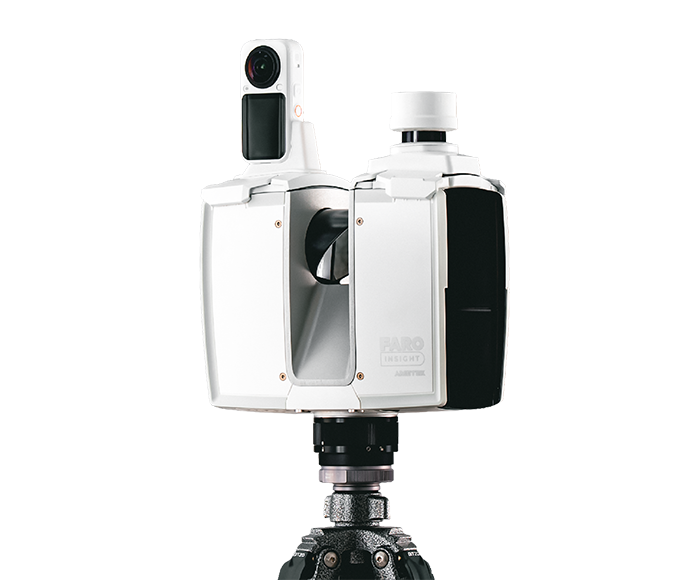
3D laser scanning is an advanced surveying technique that uses laser beams to capture the exact dimensions and geometry of a physical environment. The scanner collects millions of data points known as a point cloud, creating a detailed digital replica of the site.
These point clouds can be converted into:
- 3D Models
- BIM Models
- CAD Drawings
- Digital Twins
- As-Built Documentation
The result is a highly accurate representation of the existing conditions, enabling informed decision-making throughout the project lifecycle.
1. Unmatched Accuracy and Precision
One of the biggest advantages of 3D laser scanning is its exceptional accuracy. Traditional measurement methods often rely on manual processes, which can introduce errors and inconsistencies. Laser scanners capture millions of measurements with millimeter-level precision, ensuring that every detail is documented correctly.
For Mumbai’s dense urban environment, where redevelopment projects frequently involve old buildings with complex structures, accurate measurements are essential. Even minor inaccuracies can lead to design conflicts, material wastage, and construction delays. Laser scanning eliminates these risks by providing reliable data from the beginning of the project.
2. Faster Site Surveys
Time is a critical factor in construction projects. Traditional surveys can take days or even weeks depending on the size and complexity of the site. With 3D laser scanning, large areas can be captured in a fraction of the time.
Construction teams can quickly gather comprehensive site data without disrupting ongoing operations. This is particularly beneficial for busy commercial buildings, industrial plants, and infrastructure projects across Mumbai where minimizing downtime is crucial.
Faster surveys mean:
- Reduced project timelines
- Quicker design approvals
- Faster decision-making
- Improved project delivery schedules
3. Reduced Rework and Construction Errors
Rework is one of the biggest cost drivers in construction projects. Incorrect measurements, outdated drawings, and unforeseen site conditions often result in expensive modifications during construction.
By using accurate point cloud data, project teams can identify potential issues before construction begins. Designers and engineers can work with real-world site conditions, reducing the likelihood of clashes and discrepancies.
Benefits include:
- Lower construction costs
- Reduced material wastage
- Improved quality control
- Better project coordination
4. Enhanced Scan to BIM Workflows
Building Information Modeling (BIM) has become an essential part of modern construction projects. 3D laser scanning serves as the foundation for accurate BIM models through a process known as Scan to BIM.
Point cloud data is converted into intelligent BIM models that contain precise information about building components, dimensions, and systems. These models help stakeholders visualize the project, coordinate disciplines, and improve collaboration.
For redevelopment and renovation projects in Mumbai, Scan to BIM provides a reliable digital foundation that supports efficient planning and execution.
5. Improved Project Planning and Design
Accurate site information is critical during the planning and design stages. Laser scanning provides comprehensive data that helps architects and engineers make informed decisions from the start.
Instead of relying on assumptions or outdated drawings, design teams can work with exact site conditions. This improves design accuracy and minimizes unforeseen challenges during construction.
Project planning benefits include:
- Better design coordination
- Improved feasibility studies
- Accurate space planning
- Enhanced project visualization
6. Increased Safety on Construction Sites
Construction sites often contain hazardous areas that can be difficult or dangerous to access manually. 3D laser scanning allows surveyors to capture detailed information from a safe distance without physically entering risky environments.
This is especially valuable for:
- High-rise buildings
- Industrial facilities
- Structural inspections
- Infrastructure projects
Reducing the need for manual measurements in hazardous areas helps improve worker safety while ensuring comprehensive data collection.
7. Better Coordination Between Stakeholders
Construction projects involve multiple stakeholders, including architects, engineers, contractors, consultants, and project owners. Miscommunication between teams can result in delays and costly mistakes.
Laser scanning creates a single source of truth that everyone can reference throughout the project lifecycle. With accurate digital models and point cloud data, teams can collaborate more effectively and make informed decisions based on the same information.
This leads to:
- Improved communication
- Faster approvals
- Reduced project conflicts
- Enhanced stakeholder confidence
8. Ideal for Redevelopment Projects in Mumbai
Mumbai is experiencing a significant surge in redevelopment projects. Many existing structures lack accurate documentation, making renovation and reconstruction challenging.
3D laser scanning helps capture the exact dimensions and conditions of existing buildings before redevelopment begins. This allows developers and architects to understand structural complexities and create more accurate designs.
The technology is particularly useful for:
- Residential redevelopment
- Commercial renovations
- Heritage building restoration
- Mixed-use developments
9. Supports Digital Twin Technology
Digital Twin technology is becoming increasingly important in the construction and facility management sectors. Laser scanning provides the accurate spatial data needed to create digital twins of buildings and infrastructure assets.
A digital twin enables stakeholders to monitor, manage, and optimize building performance throughout its lifecycle. This improves operational efficiency, maintenance planning, and asset management.
For smart building initiatives in Mumbai, digital twins offer a powerful way to improve long-term building performance.
10. Long-Term Asset Management Benefits
The value of laser scanning extends beyond construction. The captured data serves as a permanent digital record of the asset, supporting facility management and future renovations.
Building owners can use the data for:
- Maintenance planning
- Space management
- Equipment installation
- Future expansions
- Renovation projects
Having accurate as-built information readily available helps reduce operational costs and improves decision-making throughout the building’s lifecycle.
Why Construction Companies in Mumbai Are Adopting 3D Laser Scanning
As construction projects become more complex, the demand for accurate, efficient, and data-driven solutions continues to grow. 3D laser scanning offers a practical way to improve project outcomes while reducing risks and costs.
From residential towers and commercial developments to industrial facilities and infrastructure projects, laser scanning is helping Mumbai’s construction industry achieve higher levels of precision, efficiency, and innovation.
Companies that adopt this technology gain a competitive advantage by delivering projects faster, minimizing errors, and improving overall project quality.
Conclusion
3D laser scanning is revolutionizing the way construction projects are planned, designed, and executed in Mumbai. By providing highly accurate site data, reducing rework, enhancing BIM workflows, and improving stakeholder collaboration, the technology delivers measurable benefits across every stage of the project lifecycle.
Whether you are managing a redevelopment project, designing a new commercial building, or overseeing an industrial facility, investing in professional 3D laser scanning services can significantly improve project efficiency and accuracy. As Mumbai continues to grow and modernize, 3D laser scanning will play an increasingly important role in shaping the future of construction.